Previous

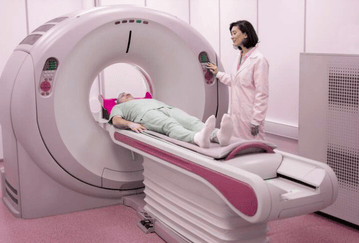
You get a call from the doctor after a scan. There is a “suspicious lesion” in the stomach, colon, liver, or pancreas, and suddenly the conversation becomes much more serious than you expected.
The first question most patients have is simple: “Do I actually need a GI cancer surgeon?”
Not every digestive problem needs a cancer specialist, and not every abnormal scan means cancer. But when cancer is confirmed or a suspicious growth needs surgical evaluation, involving a GI cancer surgeon at the right stage can make the treatment process much clearer.
A GI cancer surgeon specialises in the surgical management of cancers affecting the gastrointestinal system and related organs.
Depending on the diagnosis, this can include cancers involving the:
Stomach
Food pipe or esophagus
Small intestine
Colon
Rectum
Liver
Pancreas
Gallbladder
Bile ducts
Their role is not simply to perform an operation. They assess whether surgery is appropriate, what type of procedure may be required, and how surgery fits into the patient's complete cancer treatment.
That distinction is important because cancer care is rarely about one treatment alone.
If a biopsy or other investigation has confirmed gastrointestinal cancer, a surgical opinion may be an important part of treatment planning.
The surgeon can assess whether the cancer can be removed, whether an operation should happen before or after other treatment, and what the expected procedure would involve.
For some cancers, chemotherapy or radiation may be recommended before surgery. For others, surgery may be an important early part of treatment.
Sometimes cancer is suspected after an ultrasound, CT scan, MRI, endoscopy, or another investigation.
A suspicious mass isn't automatically cancer.
However, leaving an unexplained abnormality unattended isn't a good approach either. Further testing may be needed to determine exactly what is happening.
A GI cancer surgeon can review the available reports and help determine whether surgical assessment is appropriate.
Recurrence can be particularly confusing for patients.
You may have completed treatment and assumed the difficult part was over, only to discover a new abnormality on follow-up testing.
Depending on where the recurrence has appeared and whether it can be treated surgically, another surgical assessment may be considered.
Persistent digestive symptoms deserve attention, but they shouldn't automatically be interpreted as cancer.
Abdominal pain, acidity, bloating, constipation, diarrhea, loss of appetite, or changes in bowel habits can happen because of many different conditions.
The more concerning situation is when symptoms persist, become progressively worse, or occur alongside warning signs such as unexplained weight loss, blood in the stool, persistent vomiting, difficulty swallowing, jaundice, or a major change in bowel habits.
The sensible approach is investigation rather than panic.
A proper consultation involves much more than asking where it hurts.
The surgeon may review your biopsy or pathology report, scans, blood tests, previous treatment, medical history, and other investigations.
They may also consider the size and location of a tumour, whether nearby structures are involved, and whether there is evidence that the disease has spread.
All of this helps determine whether surgery is suitable and what kind of surgery might be required.
One pattern we often see is patients searching for a surgeon only after spending weeks trying different home remedies or delaying investigations because they are afraid of what the reports might show.
That delay doesn't make an uncertain situation safer.
At the same time, rushing into surgery immediately after hearing the word “tumour” isn't necessarily the right answer either.
Patients are often told that cancer treatment should happen as quickly as possible.
Speed does matter, but rushing without understanding the diagnosis can create its own problems.
Before major cancer surgery, patients should understand what the diagnosis is, whether the disease has been staged properly, whether additional testing is required, and whether other treatments should happen first.
The goal should be timely and well-planned treatment, not simply the fastest possible operation.
Consider a patient who undergoes an abdominal scan because of persistent digestive discomfort and is found to have a suspicious growth.
The immediate reaction may be to assume that surgery is the next step. In practice, the medical team may first need to review the imaging, obtain tissue confirmation where appropriate, determine the cancer type and stage, and discuss the case with other specialists.
Only then can the patient have a meaningful conversation about surgery.
That process may feel slower initially, but it gives the patient a clearer picture of what is actually being treated.
Dr. Abhishek Aggarwal is a GI and HPB surgical specialist who evaluates conditions involving the digestive system, liver, pancreas, and related organs. For patients dealing with a suspected or confirmed GI cancer, his consultation can help clarify reports, understand whether surgery is appropriate, and discuss how a surgical approach may fit into the wider treatment plan.
When searching for the Best Gi Cancer Surgeon in Paharganj, don't make your decision based only on a search result, advertisement, or a list of procedures.
Look at the surgeon's area of expertise and experience with the particular type of cancer being treated.
It is also worth paying attention to how clearly the treatment plan is explained. You should understand why surgery is being suggested, what it is intended to achieve, what the alternatives are, and what recovery may look like.
For complicated cancers, coordinated care is equally important. Surgical treatment may need to work alongside chemotherapy, radiation, pathology, radiology, and other forms of specialist care.
Make the appointment more useful by taking your complete medical file.
Bring imaging reports and CDs or digital scans if available, biopsy and pathology reports, blood-test results, previous prescriptions, discharge summaries, and details of earlier cancer treatment.
Write down your questions before arriving. When you're anxious, it's surprisingly easy to forget the most important ones.
Ask directly:
What exactly is my diagnosis?
Has the cancer been staged?
Is surgery necessary?
What would surgery achieve?
Should I receive another treatment before surgery?
What are the major risks?
What does recovery involve?
A good consultation should leave you with more clarity, not more confusion.
You may need a surgical opinion when a GI cancer has been confirmed, a scan shows a suspicious growth that may require surgery, or a previously treated cancer has returned and surgical treatment is being considered.
Yes. GI cancer surgeons may manage cancers affecting several parts of the digestive system, including the stomach, colon, rectum, esophagus, liver, pancreas, and gallbladder, depending on their specific area of surgical expertise.
No. A consultation is an evaluation. The surgeon first determines whether surgery is appropriate and how it fits into the overall treatment plan.
If a scan or biopsy has left you staring at medical terms you don't fully understand, the next step doesn't have to be guesswork. Dr. Abhishek Aggarwal can help put the surgical question into context and explain where surgery may—or may not—fit into your GI cancer treatment.


