Previous
Next


A Complete Guide for the Modern Professional
By Dr. Abhishek Aggarwal · Associate Director, GI Oncosurgery, BLK-Max Super Speciality Hospital · MBBS, MS, MCh (Surgical Gastroenterology)
We tend to think of cancer as something that happens to us — a matter of bad luck or bad genes. But the science tells a more hopeful story. When it comes to gastrointestinal (GI) cancers — those affecting the esophagus, stomach, liver, gallbladder, pancreas, colon, and rectum — the majority of risk lies in factors we can actually control. This guide walks through everything I share in my corporate wellness talks: why these cancers are rising, how the modern workday quietly raises your risk, what the evidence says about diet and lifestyle, and the concrete steps you can take starting today. Along the way, you'll find a few self-assessment questions — pause and answer them honestly. Awareness is the first step to change.
Cancer is now among the defining health challenges of our time. Worldwide, there were over 20 million new cancer cases and nearly 10 million deaths in 2022. India alone recorded about 1.46 million new cases. But here is the number that should give us hope: according to the World Health Organization, 30–50% of all cancers are preventable through lifestyle changes alone.
GI cancers together account for roughly a quarter of all cancer cases and more than a third of cancer deaths globally. In India, colorectal, stomach, liver, and esophageal cancers all rank among the most common — and their incidence is climbing steadily.
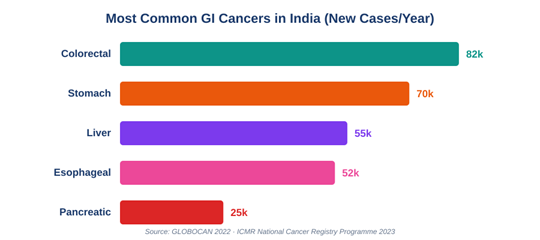
Figure 1: The most common gastrointestinal cancers in India by annual new cases (GLOBOCAN 2022, ICMR NCRP 2023).
The Young-Onset Epidemic
Perhaps the most alarming trend is that GI cancer is increasingly striking younger adults. Colorectal cancer in people under 50 has risen sharply over the past three decades. This is no longer only an older person's disease — and the modern, desk-bound, ultra-processed lifestyle is a leading suspect. Sedentary work, low-fibre diets, poor sleep, chronic stress, and rising obesity all converge in the typical urban professional's routine.
Self-Assessment #1
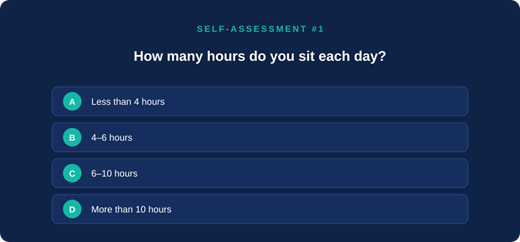
Be honest with yourself. The global average for desk-based professionals is around 9.5 hours a day — nearly double what health authorities recommend.
Your gastrointestinal tract is a remarkable, continuous system running from the esophagus to the rectum, with the liver, gallbladder, and pancreas as vital accessory organs. Cancer can arise anywhere along this path, and each site has its own dominant risk factors — GERD and smoking for the esophagus, H. pylori infection for the stomach, hepatitis and alcohol for the liver, and diet and inactivity for the colon.
Genes Load the Gun — But Lifestyle Pulls the Trigger
Here is the empowering truth: only about 5% of GI cancers are purely hereditary (conditions such as Lynch syndrome or familial adenomatous polyposis). The overwhelming majority are driven by modifiable factors. You are not powerless against your genes — you have enormous influence over the outcome.
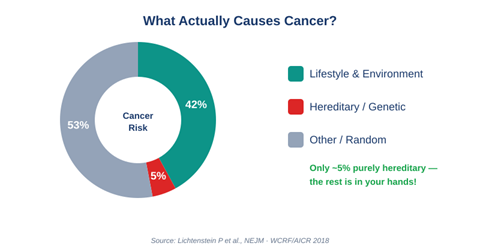
Figure 2: The relative contribution of lifestyle versus inherited factors to cancer risk (Lichtenstein et al., NEJM; WCRF/AICR 2018).
Cancer Doesn't Happen Overnight
Cancer develops through a slow, stepwise process: a normal cell accumulates DNA damage, becomes a pre-cancerous lesion (such as a polyp), and only then — often years or decades later — turns malignant. This journey typically takes 5 to 30 years. That long timeline is precisely why prevention and screening are so powerful: there is a wide window during which a pre-cancerous polyp can be detected and simply removed, long before it ever becomes dangerous.
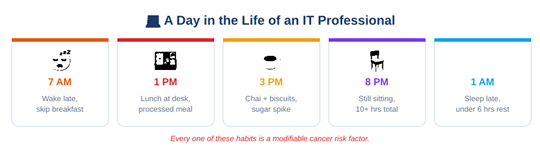
Figure 3: A typical IT professional's day — and the hidden risks in each part of it.
The Desk-Job Dilemma: Is Sitting the New Smoking?
Prolonged sitting has earned the nickname "the new smoking," and the evidence is sobering. Sitting fuels insulin resistance, chronic inflammation, and sluggish gut motility — all of which create an environment where cancer can take hold. Crucially, this risk is partly independent of how much you exercise otherwise. The person who runs for 30 minutes but then sits for 10 straight hours is still at risk.
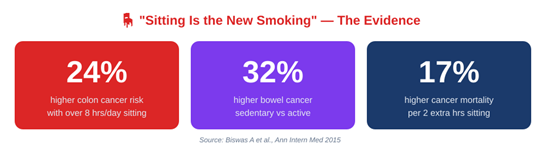
Figure 4: The measurable cancer risks of a sedentary lifestyle (Biswas et al., Ann Intern Med 2015).
The remedy is refreshingly simple: break up long stretches of sitting. Stand up every 45 minutes, take the stairs, walk during phone calls, and consider a standing desk. Movement — even in small doses spread through the day — is genuinely protective.
Chronic Stress and Its Hidden Toll
Chronic work stress keeps cortisol elevated, which suppresses immune surveillance, promotes belly-fat accumulation, and drives inflammation. It also nudges us toward comfort eating, alcohol, and poor sleep — a cascade that compounds cancer risk. Managing stress is not a luxury; it is part of cancer prevention. Even five minutes of daily mindfulness, regular social connection, and short breaks in nature measurably lower cortisol.
Sleep: Your Nightly Anti-Cancer Protocol
Sleep is when your body repairs damaged DNA, produces the anti-cancer hormone melatonin, and recharges immune cells. Skimping on it has real consequences.
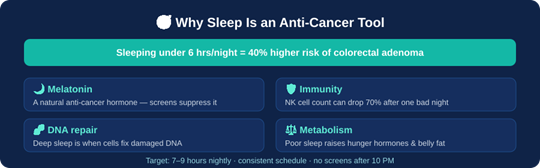
Figure 5: How sleep deprivation undermines your body's natural cancer defences.
Central Obesity: The Cancer Factory in Your Belly
Not all fat is equal. Visceral fat — the fat packed around your internal organs — behaves like an active hormone factory, releasing estrogen, insulin-like growth factors, and inflammatory signals that promote tumour growth. For South Asians, this risk rises at lower body weights than in Western populations, which is why waist measurement matters as much as the bathroom scale.
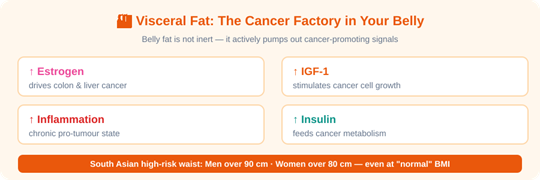
Figure 6: Why belly fat is far more than a cosmetic concern.

Every meal is a choice that either nudges you toward disease or protects you from it. Let's break down the biggest dietary players.
Ultra-Processed Foods and Sugary Drinks
Research links higher consumption of ultra-processed foods — packaged snacks, instant meals, sugary cereals, and the like — with increased overall cancer risk. A useful rule of thumb: if a product has more than five ingredients or names you can't pronounce, treat it as ultra-processed. Sugary drinks deserve special mention: a single 600 ml cola can contain around 17 teaspoons of sugar, driving obesity and the insulin surges that feed cancer. Swap them for water, chaas, coconut water, or unsweetened nimbu pani.
Red and Processed Meat: The IARC Verdict
The International Agency for Research on Cancer (IARC) classifies processed meat as a Group 1 carcinogen — the same category as tobacco and asbestos — and red meat as a probable (Group 2A) carcinogen. This doesn't mean an occasional serving will give you cancer, but frequency and quantity matter.
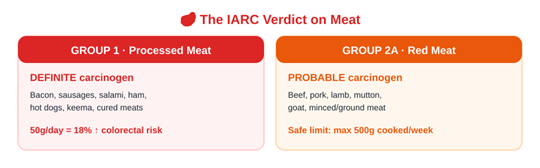
Figure 7: How the IARC classifies processed and red meat (IARC Monographs Vol 114, 2015).
The Protective Power of Fibre
If there is a single dietary hero in cancer prevention, it is fibre. It speeds transit time, feeds beneficial gut bacteria, produces protective compounds called short-chain fatty acids, and binds cancer-promoting bile acids.
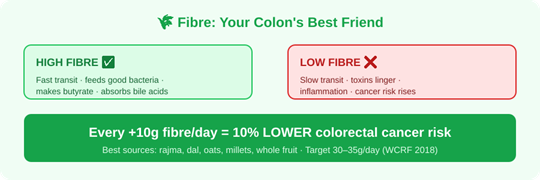
Figure 8: Why fibre is one of the simplest and most powerful tools you have.
The typical Indian diet delivers only 12–15 g of fibre a day — less than half the recommended 30–35 g. The fix is easy and delicious: an extra katori of dal, whole grains and millets instead of refined flour, and fruit eaten with its skin.
The Gut Microbiome Revolution
You are home to roughly 38 trillion bacteria, and their balance profoundly influences your cancer risk. Some species protect you; others actively promote tumours. The good news is that you can shape this ecosystem through your daily choices.
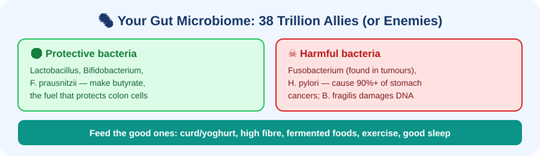
Figure 9: Your gut bacteria can be allies or enemies — and diet decides which.
Self-Assessment #2
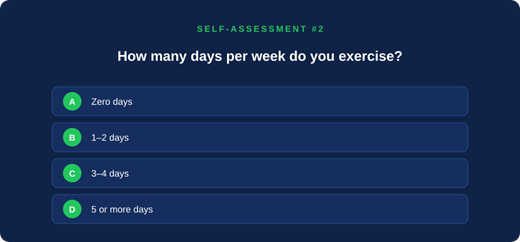
The World Health Organization recommends at least 150 minutes of moderate activity per week — roughly 22 minutes a day.
1. Alcohol — There Is No "Safe" Amount
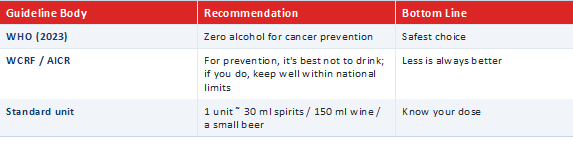
Alcohol is classified as a Group 1 carcinogen, and it raises the risk of colorectal, liver, esophageal, stomach, and pancreatic cancers in a dose-dependent way. The mechanism is direct: alcohol is converted into acetaldehyde, a compound that damages DNA, while also depleting protective folate, raising estrogen levels, and inflaming the GI lining. From a purely cancer-prevention standpoint, the ideal amount is none.
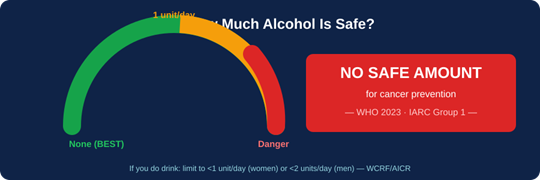
Figure 10: The uncomfortable truth about alcohol and cancer (WHO 2023; IARC Group 1).
Recommended drinking limits at a glance:
2. Tobacco — India's Number One Preventable Cause
Both smoking and smokeless tobacco (gutka, khaini, zarda) are devastating drivers of GI cancer, sharply raising the risk of esophageal, stomach, pancreatic, and colorectal cancers. India carries a particular burden: it has the world's highest rate of smokeless tobacco use. The encouraging news is that quitting works, and it works fast.
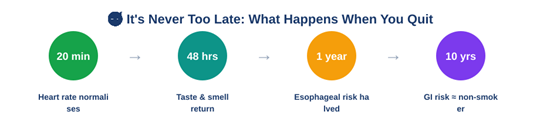
Figure 11: The body begins healing the moment you stop using tobacco. Within a decade, GI cancer risk approaches that of a never-user.

3. Excess Body Fat — Especially Around the Middle
We covered the biology of visceral fat in Part 3, but it bears repeating here because obesity is now one of the leading preventable causes of cancer worldwide — second only to tobacco in many analyses. Maintaining a healthy weight throughout adult life, and avoiding the slow creep of weight gain that so often accompanies a desk career, is one of the most protective things you can do.
Much of the advice in this guide is distilled from the World Cancer Research Fund (WCRF), whose Third Expert Report (2018) — produced with the American Institute for Cancer Research — represents one of the most authoritative, evidence-based blueprints for cancer prevention in the world. Their panel reviewed thousands of studies to arrive at ten clear recommendations. Taken together, they form a package: the more of them you follow, the greater your protection.
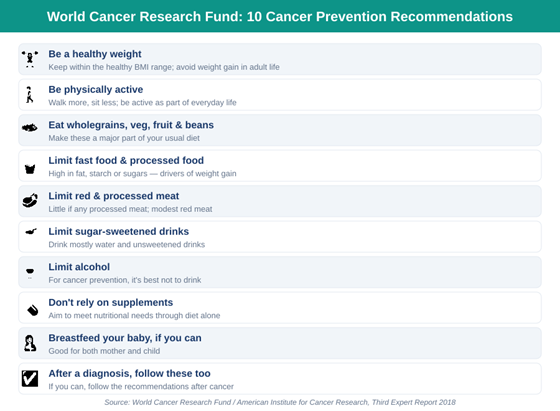
Figure 12: The World Cancer Research Fund / AICR Cancer Prevention Recommendations (Third Expert Report, 2018).
The WCRF's overarching message is elegantly simple: aim to be a healthy weight, be physically active, eat a diet rich in wholegrains, vegetables, fruit and beans, and limit fast food, red and processed meat, sugary drinks, and alcohol. These are not fad rules — they are the consensus of the global scientific community, and they map almost perfectly onto a traditional, minimally-processed Indian diet built around dal, sabzi, whole grains, and fresh produce.
Prevention and early detection work hand in hand. Even with a perfect lifestyle, no one's risk is zero — which is why recognising warning signs and undergoing appropriate screening are essential.
Warning Signs You Should Never Ignore
See a doctor promptly — do not wait weeks — if you notice any of the following. They do not mean you have cancer, but they always deserve evaluation.
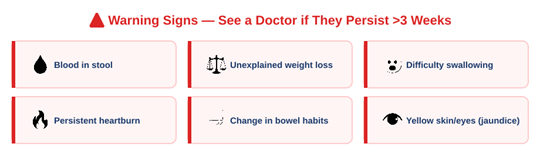
Figure 13: Symptoms that warrant medical attention if they persist beyond three weeks.
Screening Saves Lives
The difference between catching a GI cancer early versus late is, quite literally, the difference between life and death.
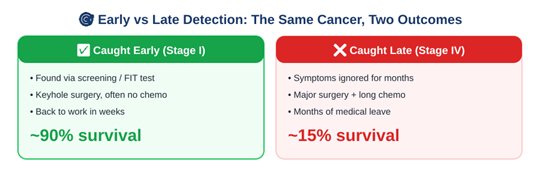
Figure 14: The same cancer can have vastly different outcomes depending on when it is found.
A colonoscopy from age 45 can find and remove pre-cancerous polyps before they ever turn dangerous. Other tools protect against different GI cancers — a Hepatitis B vaccination prevents the infection that causes most liver cancers, and testing for and treating H. pylori dramatically reduces stomach cancer risk.
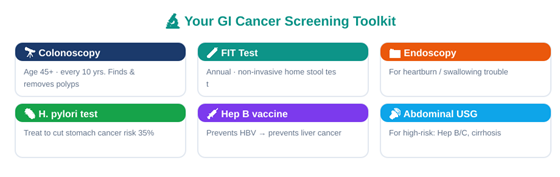
Figure 15: Your GI cancer screening toolkit — talk to your doctor about which apply to you.
Knowledge only helps if it becomes action. Below is the distilled essence of everything above — ten evidence-based commandments, adapted from the WCRF recommendations, that anyone can start following today.
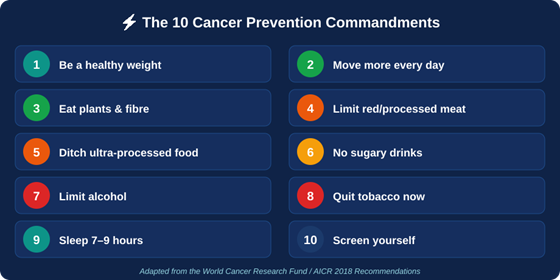
Figure 16: Ten cancer-prevention commandments to live by.
An Ideal Day for the Busy Professional
You don't need a dramatic overhaul — just a better default. A cancer-protective day might look like this: wake with a short stretch and a brisk morning walk; a high-fibre breakfast; movement breaks every 45 minutes at work; a lunch built around dal, sabzi, and salad; fruit or chaas instead of biscuits and chai in the afternoon; an evening walk; an early, light dinner; screens off by 10 PM; and 7–9 hours of sleep. None of these is difficult in isolation — the power lies in making them your routine.
Your Personal Prevention Checklist
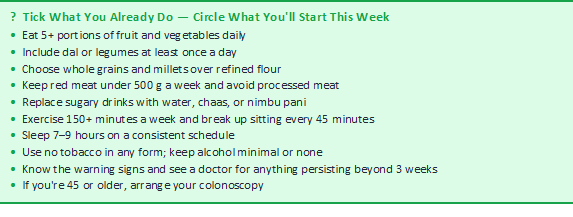
Self-Assessment #3
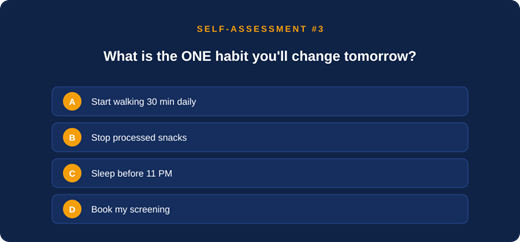
Don't try to change everything at once. Pick one habit, master it, then build from there. Every single change is a life potentially saved.
The Take-Home Message
If you remember nothing else, remember this: your lifestyle is your single greatest cancer risk factor — and therefore your single greatest opportunity. Roughly 40% of cancers are preventable. Move more and sit less. Eat like a cancer fighter — more fibre, more plants, less processed food, less alcohol, no tobacco. Know the warning signs and act on them without delay. And when the time comes, screen. Cancer develops over years, which means you have a genuine, generous window to change its course.
Small changes today truly do add up to big health benefits tomorrow. Together, let's make GI cancer a condition we prevent — not just one we treat. Your gut, and your future self, will thank you.
Dr. Abhishek Aggarwal is Associate Director of GI Oncosurgery at BLK-Max Super Speciality Hospital, with an MBBS, MS, and MCh in Surgical Gastroenterology. This article is intended for general awareness and is not a substitute for personalised medical advice. If you have symptoms or concerns, please consult a qualified physician. Key evidence sources: World Health Organization; International Agency for Research on Cancer (IARC); World Cancer Research Fund / AICR Third Expert Report 2018; GLOBOCAN 2022; ICMR National Cancer Registry Programme 2023.


